Tuesday, 18 May 2010
Lexus Dark Ride- Awesome but why?
I just came across this digital experience for Lexus over at Digital Buzz Blog. It includes a lot of very cool bits and pieces, like facebook connect, webcam and microphone integration and pannable film shots. It is by the consistently awesome Stink Digital who were behind the Philips Carousel work, Shelter's House of Cards and a load of other stuff which it is worth checking out.
It is slick, involving and it has got people talking already, though I can't help but wonder whether throwing money at making some cool online thing is really the best way to solve the client's business problem. But then again it is fucking cool.
Go here for the full experience.


Monday, 17 May 2010
Re-imagining the agency proposition

This article has some interesting thoughts though, on "re-imagining the agency proposition". It is outlandish in parts but better to be interesting than right. A couple of points which stood out for me were:
- The growing importance of agencies creating and holding onto their Intellectual Property.
- The difficulty of predicting how products or campaigns will go down without unleashing them on the crowd (which I wrote about here)
- The call for agencies to create culture, not just to follow it.
The World beyond the Screen
Friday, 14 May 2010
What motivates us
Dan Pink's fantastic TED talk on what motivates us just got a little bit better. This version has been animated by some clever chaps at RSA. They have developed an innovative style and it makes it very watchable. It is also a good excuse to mention Dan's original talk which contains the revelation that paying people more as an incentive, actually gets worse results than getting them to do it for free. It is yet further proof of the importance of Behavioral Economics and a lesson to companies that workers need time to develop their own projects.
Watch it in full-screen glory here.
Thursday, 13 May 2010
Facebook go Rogue

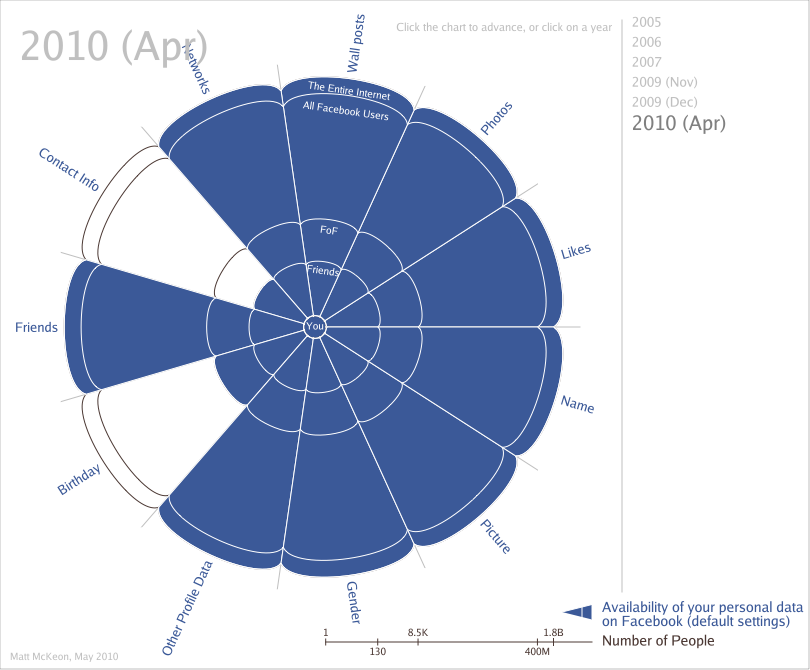
Though it would be hyperbole to suggest people are rejecting Facebook, it is telling how much interest this open alternative has been receiving (raising $82K from donors to startup), and how many people are killing off their online identities. It is worth thinking about as it is only going to get worse in the future.
And yes, I am aware of the irony of having a Facebook Like button for this post.
Wednesday, 12 May 2010
Real Stuff is more interesting than screens
This applies to the previous post, where arguably real candles would resonate more, and it also perfectly encapsulates the work of some of the brands we feature most on this blog; Red Bull, Nike and Lurpak.
The first football Saint
This is an interesting case study for a Chilean campaign to create the first "Football Saint", by getting fans to light 100,000 candles for him (on a microsite). Belief in the national team was wavering and this campaign succeeded in getting 1.2 million views of the campaign page and 70,000 candles lit for Marcelo Bielsa in the first week. It is a nice example of participation, though I can't help but wish they had lit real candles. Screens just don't have the same impact as real world stuff.
(via Digital Buzz Blog)
Friday, 7 May 2010
Pedigree: Pass it on
I just came across this interesting work for the Pedigree Adoption drive, which uses youtube smartly. For every view of the video, they donate £1, which in itself is a reason to pass it on. However the number of views is also linked to getting more content. It is a film in which the ending is affected every 25,000 views. What a great way to ensure people return to your content, and pass it on.Keep an eye on the Youtube page for more.
Holy Kaw- look at this
Red Bull have done it again. While most brands are hastily trying to shoehorn some "participation" into their communications (anyone have a bread confession they want to upload? didn't think so), Red Bull are living it. Their events are spot on for their target market, and provide compelling content to be shared online. T-Mobile was a great example of a big brand campaign successfully making itself participatory, but the amazing thing is that Red Bull are doing a "dance" every six months, and it is not costing them the earth.
Wednesday, 5 May 2010
Playing with Google
Via Wunderman's blog and @gradstrat
This work from Converse is interesting. They bought up cheap paid search terms which no-one else was taking, such as "spelling-bee", and used them as an opportunity to embed games and "play" into Google searches. While many companies chuck money at paid search, it is good to see a bit of innovation, and in that sense it is reminiscent of Meercat. There is also a nice insight that the Google search box is a window into people's lives. It allows you to be a part of their life beyond when they are searching for your brand.
Subscribe to:
Posts (Atom)

 Posts
Posts


